
How to Choose the Right Shopify Design Agency
Written and edited by: Jay
Let me start by sharing something fascinating I learned reading that book Don’t Make Me Think for like the third time. Krug argues and argues convincingly that good web design is like a well-lit department store. Where shoppers should instinctively know where to go without ever having to ask for directions.
Now, if you’re looking at your Shopify store’s conversion rates and seeing numbers that make you want to hide under your standing desk, you might be wondering if bringing in a UX/UI expert or design agency’s the answer.
The beautiful thing about running an e-commerce business today is that we have more data about user behavior than ever before. The challenging thing? Your customers have also visited every other beautifully designed online retail store, and expect yours to read their minds. No pressure at all.
Understanding Your Store’s Design Crisis Moment
You know that feeling when you walk into someone you’ve just met or don’t know well’s home for the first time, look around a bit and just immediately understand who they are at a basic level? That’s what great UI/UX design does for an e-commerce store. But that can’t always be the case. Sometimes you have an online shop that’s only fine or even pretty, but only pretty?
Most online merchants in that position wouldn’t need to be told that they need design help in that position. They’d just see their conversion rates cratering like that first meteor chunk in Deep Impact and getting lower and lower and lower, even if inbound traffic has actually been increasing.
The symptoms are pretty universal. Your Shopify store’s bounce rate is bouncing up like an old toy superball. Your average session duration wouldn’t even cover a YouTube short’s runtime. Consumer feedback chronically includes phrases like “confusing” and “couldn’t find what I was looking for” and my personal favorite, “is this site broken?” Meanwhile, your competitor’s site, which sells basically the same products, somehow converts at twice your rate. This is where a Shopify Expert design agency enters, armed with heat maps, hotjar recordings, and enough Ornament and Crime quotes to ruin a party. But should you invite them to it anyway?
What Design Agencies Bring to e-Commerce
The Science Behind the Art: When I finished Norman’s Design of Everyday Things (wonderful book, by the way. Check it out when you’re finished with this), I was reminded of why a good agency partner is arguably worth its weight in gold. Because … They actually understand the psychology behind every pixel. They know why humans scan websites in an F-pattern, why we trust certain color combinations, and why that “Add to Cart” button needs to be exactly where a consumer’s thumb naturally falls on mobile devices.
Skilled Shopify Expert design agencies bring something beautiful to the table. They’ve tested hundreds of variations across dozens of stores. They know that what works for a luxury jewelry brand will absolutely tank for a discount electronics store. They understand that German customers expect different visual hierarchies than Brazilian customers. This isn’t guesswork; it’s accumulated wisdom gleaned from literally thousands of user sessions.
The Conversion Rate Optimization Machine: Sorry, but it’s time to tap the sign: People don’t actually make rational purchasing decisions. They make emotional decisions and then rationalize them afterward. Great design agencies understand this at a molecular level. They know how to build trust through visual consistency, create urgency without seeming pushy, and guide users through a purchase journey that feels as natural as breathing.
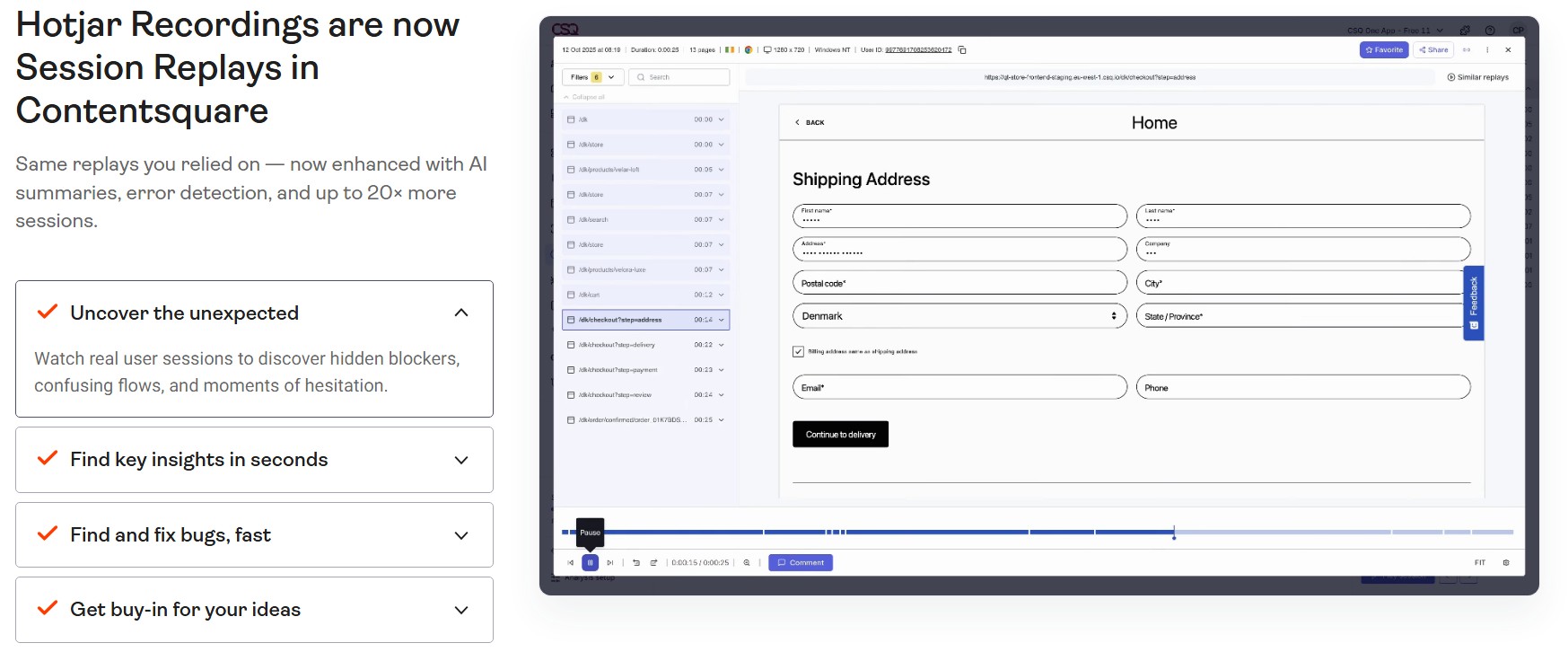
They bring tools and methodologies most merchants don’t even know exist. Session recording analysis that shows exactly where users rage-click. Heat maps that reveal the invisible patterns of user attention. A/B testing frameworks that can definitively prove whether that hero image is helping or hurting. They turn store into laboratories for continuous improvement.
The Mobile-First Reality Check: Did you know that 72% of e-commerce sales now comes from mobile devices? I was re-reading Mary Meeker (fun stuff), and the mobile commerce numbers are staggering. Here’s the thing though. Most Shopify stores are still designed desktop-first and then awkwardly squeezed into mobile layouts. Expert design agencies flip this completely. They design for the thumb, not the mouse. They understand that most mobile consumers have the attention span of an actual goldfish.
They know how to create experiences that work brilliantly on a 5-inch screen without sacrificing functionality. They’ve learned through painful experience which Shopify themes actually deliver on their “mobile-responsive” promises and which ones are only pretending that they will.
The Fresh Eyes Phenomenon: You know what’s wonderful about bringing in outside experts? They see what you’ve become blind to. I call this the “fish don’t know they’re wet” principle. You’ve been staring at your store so long that you can’t see the friction points anymore. You know where everything is, so you assume everyone else does too.
Design agencies come in with what I like to call “beginner’s mind” (borrowed that one from Zen philosophy, actually quite applicable to ecommerce). They experience your store like a first-time visitor. They notice that your search bar is practically invisible, that your size chart requires three clicks to find, that your checkout process asks for unnecessary information that’s making people abandon their carts.
Challenges With Expert Agencies Worth Considering
The Brand Dilution Risk: Here’s something important I’ve noticed after watching dozens of redesign projects. Sometimes agencies make your store beautiful but generic. They apply best practices so thoroughly that your unique brand personality gets optimized right out of existence. Your quirky, memorable store becomes another gorgeously forgettable template.
The Eternal Timeline Optimism: Every design project I’ve ever seen follows the same pattern. The agency promises 8–12 weeks. It takes 16–20 weeks. This isn’t necessarily malicious; it’s just human nature mixed with the complexity of design work. They’ll blame it on feedback rounds, asset delivery, or technical limitations. You’ll blame it on their poor project management. Everyone will be a little bit right. The real issue is that your business doesn’t pause while they’re designing. Every week of delay is another week of poor conversion rates. Another week of customers bouncing because they can’t figure out your navigation. Another week of leaving money on the table. Good agencies build buffers into their timelines. Most agencies, however, are not good agencies.
The Stakeholder Telephone Game: You have a vision. Your agency has expertise. Your customers have opinions. Your team has preferences. Somehow, all of these need to merge into a single design direction. What usually happens instead is a series of compromises that nobody’s thrilled about. I’ve seen this play out so many times. The agency presents a bold, innovative design. The CEO loves it. The marketing team thinks it’s too radical. The sales team worries it doesn’t highlight promotions enough. The customer service team knows it’ll confuse existing customers. By the time everyone’s had their input, you’ve got a camel instead of a horse (you know, a horse designed by committee).
Post-Launch Abandonment: Here’s a thing that just happens sometimes. Your project ends when the design launches, but that’s actually when the real work begins. Users will find edge cases you never considered. Conversion rates might actually drop initially as customers adjust. New technical issues will emerge with different devices and browsers. Most agencies structure their engagements to end right when you need them most. Sure, they’ll offer ongoing support, at a premium rate that makes your original project fee look like pocket change. Or they’ll hand you off to a junior team member who wasn’t involved in the original design. It’s like having the architect leave right as you’re moving into the house and discovering none of the light switches are where you’d expect them.
When Will a Design Agency Make Perfect Sense?
You should strongly consider expert agency help if your conversion rate is below 1% despite decent traffic. That’s usually a design problem, not a traffic problem. Also consider one if you’re replatforming to Shopify from another system like Wix or WooCommerce or BigCommerce. They can help you avoid simply recreating your old design problems on a new platform.
If your customer feedback consistently mentions user experience issues, that’s a clear signal. When people are literally telling you they can’t find things or don’t understand how to check out, you need professional help. Similarly, if your mobile conversion rate is less than half your desktop rate, you’ve got a responsive design that isn’t actually responsive to user needs.
Finally, if your brand is scaling rapidly and your DIY design is starting to show its limitations, it’s time. I’ve seen too many merchants hit a growth ceiling because their user experience can’t support their ambitions.
When Should Merchants Proceed with Caution?
However, there are times when an agency partner might not be the right answer for you. If your fundamental business model isn’t working, prettier design won’t fix it. I’ve seen merchants spend $50,000 on redesigns when their real problem was pricing, product-market fit, or fulfillment issues.
If you can’t articulate what success looks like beyond “make it better,” you’re not ready. Agencies need clear objectives to deliver value. “Increase conversion rate by 20%” is actionable. “Make it pop more” is not.
Oh and if your budget is under $15,000, you’re probably better off with a talented freelance expert or improving your existing design incrementally. Agencies have overhead that requires certain project minimums. Below that threshold, you’ll probably be getting their C-team or rushed work.
Expert Agency Evaluation Tips for Merchants
Pretty pictures don’t necessarily equal effective e-commerce designers. So. Ask about their process for understanding your customers. If they don’t mention user research, customer interviews, or data analysis, they’re designing for their portfolio, not your success. Great agencies are almost annoyingly curious about your customers.
Request specific Shopify experience. Shopify has unique constraints and opportunities. An agency that’s brilliant at custom builds might struggle with Shopify’s framework. Look for agencies that understand Liquid, know which apps play nicely together, and can work within theme limitations .
Discuss their testing methodology. Any competent team of web designers can make your site beautiful. Great agencies prove their designs work through systematic testing. They should be talking about hypothesis-driven design, A/B testing protocols, and incremental landing page rollouts.
Get references from similar businesses. A design that works for a single-SKU startup won’t necessarily work for your 10,000-product catalog. Talk to merchants with similar complexity, price points, and customer demos.
You Don’t Have Find Design Experts By Yourself
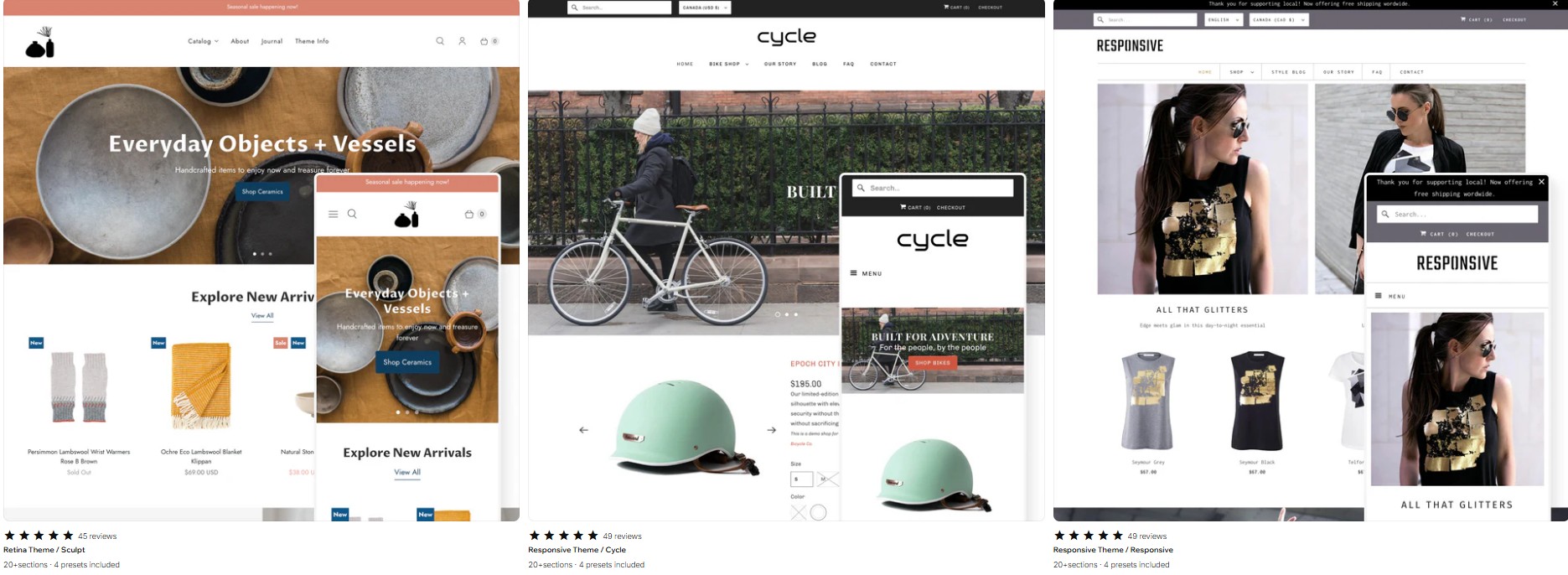 Partnering with the right Shopify Expert design agency isn’t unlike hiring the right interior designer for your home. The best one’s will bring expertise, fresh perspectives, and proven methodologies. They’ll help transform your functional but frustrating store site into a customer satisfying, conversions-generating, machine. But they can also impose their aesthetic over your authenticity if you’re not careful. So. The key is finding an agency that’ll enhance your brand rather than replacing it. Pick an agency partner who sees design as business, not an elaborate and inappropriately expensive art project. One that measures success in improved user experiences not just design awards.
Your online store’s design is really a not-so silent salesperson who never takes a break. It’s either guiding customers toward purchase or pushing them toward your competitors. A great agency makes that salesperson more effective. A poor one just gives them a better outfit. Like Jim Collins said, the right people on the bus matter more than the direction. The same applies here. The right agency partner can transform your business and your e-commerce brand. The wrong one will just “transform” your UX/UI budget into a new revenue stream.
Choose thoughtfully, partner actively, and remember that great design, like most great things, improves with careful attention. Now if you’ll excuse me, I’ve got one more book to crack today. Have you read Nir Eyal? Absolutely fascinating thoughts on habit-forming products!
Freelance Expert Designers vs. Shopify Design Agencies Comparison
| Factor | Freelance Shopify Expert Designer | Shopify Expert Design Agency | Why It Matters |
| Project Budget | $3,000 to $15,000 typical | $15,000 to $75,000+ typical | Expert Agencies carry overhead that requires minimum project sizes. Below $15K, freelancers often deliver equivalent quality at better value. |
| Timeline | 4 to 8 weeks typical | 8 to 20 weeks typical | Expert Freelancers move faster with fewer approval layers. Agencies involve more stakeholders, which adds thoroughness but also delays. |
| Specialist Expertise | One person, multiple skills | Dedicated specialists per function | Expert Agencies pair UX researchers with visual designers with developers. Freelancers do everything, well enough, but rarely at deep specialist level across all areas. |
| Shopify-Specific Knowledge | Varies significantly | Usually deeper and more consistent | Expert Agencies accumulate pattern recognition from dozens of Shopify projects. Finding a freelancer with equivalent experience requires careful vetting. |
| Communication | Direct, fast, informal | Structured, account-managed | With freelancers you talk to the person doing the work. Agencies add project managers, which provides organization but can create telephone-game distortion. |
| Testing & Optimization | Often limited | Usually comprehensive | Most agencies bring A/B testing frameworks, heat mapping tools, and established optimization methodologies. Most freelancers focus on design delivery, not ongoing experimentation. |
| Brand Consistency Risk | Lower, one vision throughout | Higher, committee-driven design | Expert Freelancers maintain consistent creative direction. Agency projects often get optimized through multiple stakeholder rounds until personality disappears. |
| Scalability | Limited, one person bandwidth | Better, team can absorb complexity | Complex catalogs, multiple templates, and tight deadlines favor agency resources. Simpler projects do not need that firepower. |
| Post-Launch Support | Often personal, affordable | Often expensive, handled by junior staff | Your expert freelancer remembers the project. Design Agencies may hand you off to experts who’ve never seen your store before. |
| Institutional Knowledge | Limited to individual experience | Accumulated across hundreds of projects | Expert Agencies know which Shopify themes actually perform well, which apps cause conflicts, what mistakes clients repeat. That pattern recognition has real value. |
| Accountability | Personal reputation at stake | Corporate structure, contracts, insurance | Expert Agencies offer legal protections and formal processes. Freelancers stake their name on every project, which motivates differently. |
| Best Suited For | Focused projects under $5K, stores needing refresh not rebuild, e-commerce merchants who can articulate clear requirements | Complex redesigns, enterprise stores, brands lacking internal design direction, projects requiring research and ongoing optimization | Match the resource to the actual complexity and budget of your project. |
Frequently Asked Questions (FAQ)
What Does a Shopify Design Agency Actually Do?
Shopify Expert Design Agencies specialize in creating user interfaces and experiences specifically for online stores on Shopify’s e-commerce platform. This goes well beyond making things look nice. They handle everything from brand identity, UX and UI to information architecture and visual hierarchy, mobile optimization and conversion rate optimization. The best ones treat your store like a behavioral science experiment, using heat maps, session recordings, and A/B testing to figure out exactly why consumers haven’t been clicking that “Add to Cart” button. Think of them as the architects who understand both the aesthetic and structural requirements of building something people will actually want to visit repeatedly.
How Do I Know if I Need Professional Designers?
The symptoms tend to announce themselves conspicuously clearly. Your bounce rate keeps climbing despite steady traffic. Your mobile conversion rate looks anemic compared to desktop. Customer feedback includes phrases like “couldn’t find what I was looking for” or that perennial favorite, “is this site broken?” If your competitors selling basically the same products somehow convert at twice your rate, that’s usually not a pricing problem or a product problem. That’s a design problem. The tricky part is that you’ve looked at your own store so many times you’ve gone blind to its friction points. Outside eyes become necessary when internal ones have adapted to the dysfunction.
How Do I Hire the Right Shopify Design Agency?
Other than by taking advantage of free Expert Agency Vetting Service like ours. You’ll want to start by ignoring their portfolio’s prettiest work and asking about their process instead. Any competent designer can make something beautiful. What you need is someone who can make something effective. Ask how they research customer behavior. If they don’t mention user interviews, data analysis, or testing methodologies, they’re designing for awards, not conversions. Then verify their actual Shopify experience. Agencies brilliant at custom builds sometimes struggle with Shopify’s specific architecture and Liquid templating constraints. Finally, talk to references from businesses similar to yours.
How are Design Agency Experts Different From Freelance Expert Designers?
 The distinction doesn’t just equal headcount. Design Agencies usually bring specialized roles to projects, i.e. you get their dedicated UI or UX researcher, a visual designer, and possibly a front-end developer who actually understands Shopify’s ecosystem. Expert Freelancers are generalists by necessity, jacks of multiple trades who can be masters of some. Expert Agencies also carry institutional knowledge accumulated across dozens or hundreds of projects, pattern recognition that comes from seeing similar problems repeat across different stores. The trade-off is cost. Agencies have overhead that requires minimum project budgets. Below that threshold you’re likely getting their B-team or rushed execution. Freelancers can often work within smaller budgets while delivering focused expertise, though you lose the multi-disciplinary approach.
What Should I Expect to Pay for a Shopify Design Specialist?
Your expectations are just going to have to vary dramatically based on scope of the project in question. A design audit with detailed recs might run $2,000 to $5,000. A full theme redesign from a top agency typically starts around $15,000 and can exceed $50,000 for complex projects with custom requirements. Ongoing optimization retainers generally range from $2,000 to $10,000 monthly. The uncomfortable truth is that “make it better” projects without clear success metrics tend to balloon in both cost and timeline. Having specific, measurable goals like “increase mobile conversion rate by 20%” helps both you and the expert agency deliver value efficiently.
What Happens After My Shopify Store Redesign Launches?
Launch day isn’t the finish line, it’s actually when the real work begins. Users will discover edge cases nobody anticipated. Conversion rates might actually dip initially as existing customers adjust to new layouts. New bugs will emerge across different devices and browsers. Most agency contracts structure their engagement to end right at this critical moment. Ongoing support is available, naturally, at premium rates that make your original project fee seem modest. Discuss post-launch support explicitly during your selection process. The first 90 days after launch often determine whether a redesign succeeds or just looks successful.
 The distinction doesn’t just equal headcount. Design Agencies usually bring specialized roles to projects, i.e. you get their dedicated UI or